
Routines · Guide
What makes a pill organizer buy-it-for-life (and what to avoid)
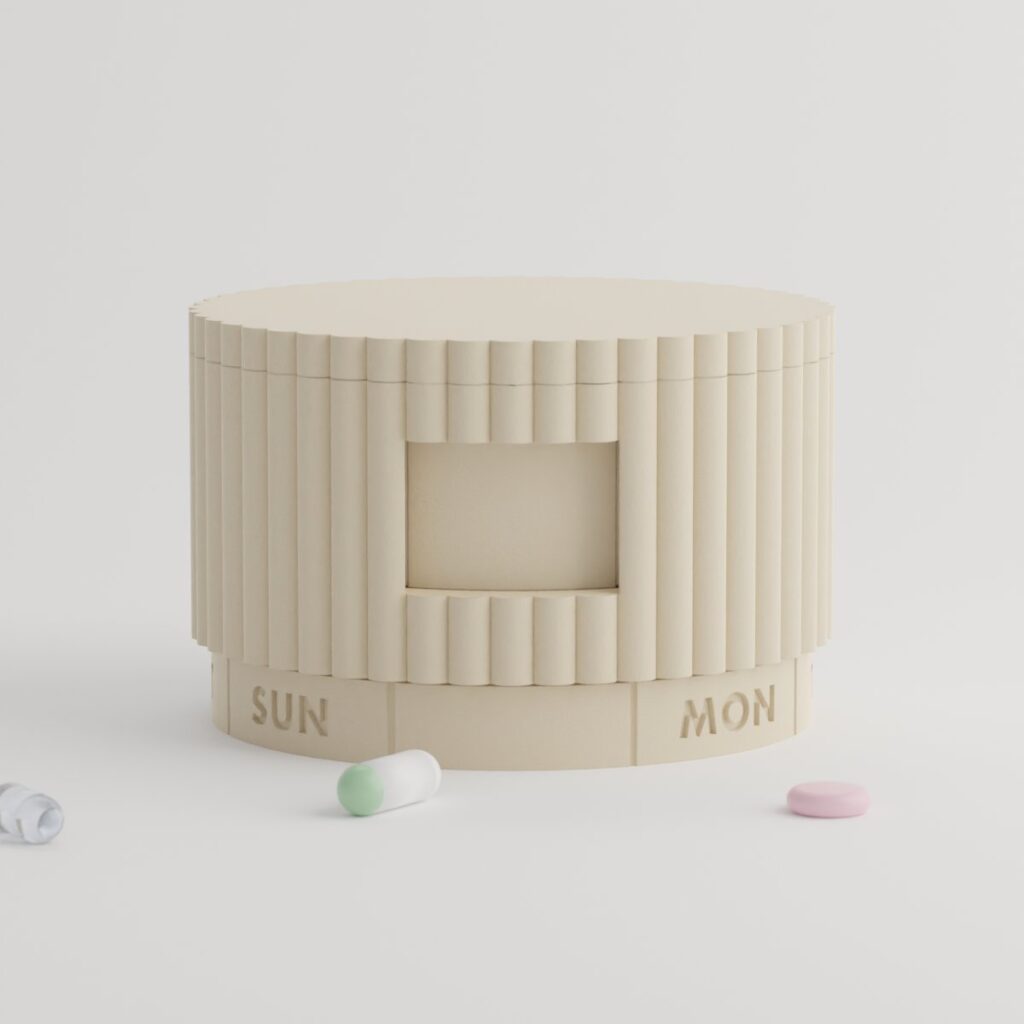
There’s a particular frustration in buying a pill organizer, having a lid snap off in three months, and standing in the shop aisle again. The “buy it for life” crowd has the right instinct: spend once on something made properly, and stop re-buying landfill. A pill case absolutely can be a buy-it-for-life object — if you know which details actually decide longevity, and which are marketing.
The lid is the whole thing
Nine times out of ten, a pill organizer doesn’t die because the body fails — it dies at the hinge or the lid. Thin flip-tabs fatigue and crack; weak closures drift open in a bag. What lasts is a positive-click lid — one that engages with a definite snap and holds — on a hard shell rather than a flexible flip-lid. If you only check one thing before buying, check how the lid closes and whether it feels like it’ll survive a thousand opens.
Material: skip the cheapest plastic
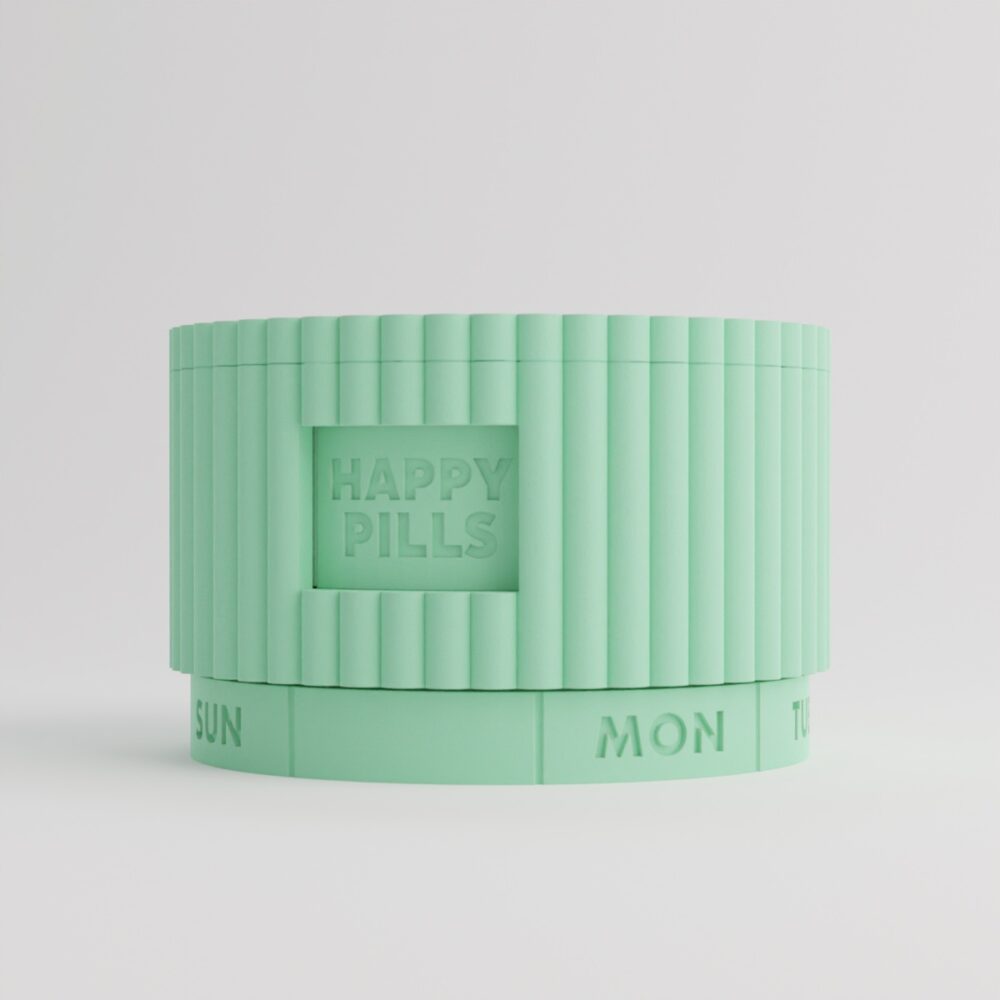
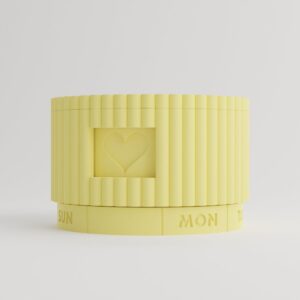
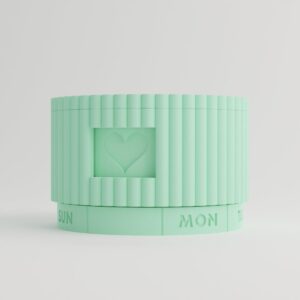
The bargain-bin organizers are usually soft PP that warps, holds odor, and goes cloudy within a year. For something you’ll keep, look for a declared, food-safe material and a solid matte finish — Pillac’s cases are matte, BPA-free PLA, which stays true and doesn’t smell out of the box. “Declared” matters: a listing that won’t tell you what the plastic is usually has a reason. (More on materials and hygiene in are pill organizers safe?)
The quiet BIFL test: will you still want it?
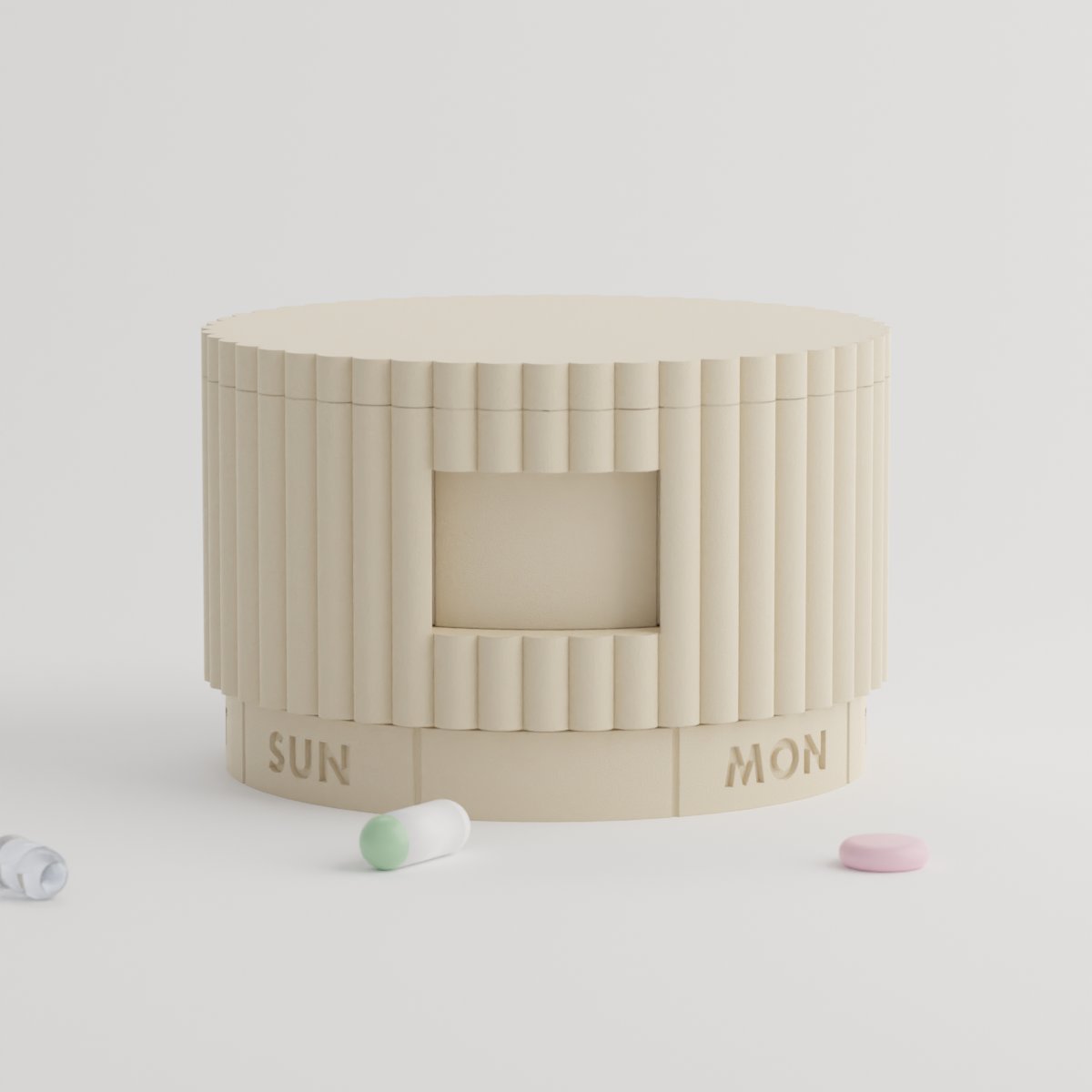
Here’s the part the durability spreadsheets miss. A buy-it-for-life object isn’t just one that lasts — it’s one you keep choosing. An ugly indestructible box still ends up in a drawer, replaced by whatever’s on the counter. A case you genuinely like looking at stays in use for years, which is the only durability that matters in practice. That’s the real argument for a case that doesn’t look medical: it survives not just physically but in your actual routine.
What’s worth paying for, what isn’t
Worth it: the lid, the material, clear day markings, a size that matches your routine. Not worth it: a 28-compartment mega-grid you’ll never fill, novelty shapes, or “smart” electronics that become e-waste when the battery dies. Buy the simple, well-made version once. If you want one engraved so it’s unmistakably yours (and a little harder to misplace), build it here — and see how to choose the right layout first.
Frequently asked questions
What makes a pill organizer last a long time?
A positive-click lid on a hard shell (lids and hinges are what usually fail), a declared food-safe material that won’t warp or go cloudy, and a size you’ll actually use. Avoid the cheapest soft plastics and electronic “smart” boxes that become e-waste.
Is PLA a good material for a pill case?
A good matte, BPA-free PLA stays true, doesn’t smell out of the box, and holds a clean finish over time — a solid choice for a case you want to keep. The key is that the maker declares the material at all.
Are expensive pill organizers worth it?
Worth paying for: a reliable lid, honest material, and a design you’ll keep using. Not worth it: huge compartment counts you won’t fill or electronics that die. A simple, well-made case bought once beats a cheap one re-bought yearly.
Comments are closed