
Habits · Guide
Taking daily medication across time zones: a simple system
Flying across several time zones turns a simple daily pill into a small puzzle. Do you take it on home time or local time? What about the dose that “lands” mid-flight? Most people either wing it and feel off, or skip a day out of confusion. There’s a straightforward system that works for everyday medication — and a clear line for where you should ask a professional instead of a blog.
First, the honest caveat: for anything time-critical — contraceptives, insulin, heart or seizure medication, anything where exact timing matters — don’t improvise from an article. Ask your pharmacist or doctor before you travel; they’ll give you a plan for your specific medication. The system below is for routine daily vitamins and medications where a few hours’ drift is harmless.
For short trips: stay on home time
If you’re away only a few days, the simplest thing is to keep taking your medication at your home time, using your phone’s home clock or a second clock face. No recalculation, no drift, and you slot straight back in when you return. A couple of hours’ shift in when you actually swallow it rarely matters for routine daily meds, and it spares you the mental math on a short hop.
For longer stays: shift gradually to local anchors
Moving somewhere for a week or more, re-anchor the dose to a local daily event rather than a clock number — “with local breakfast,” “at local bedtime.” Shift by an hour or two per day if you want to be gentle about it, or simply pick up the local anchor on arrival for routine meds. Anchoring to meals and sleep rather than to 8:00 is the same trick that makes routines stick at home; it just travels better. (We use the same anchor logic in building a routine that sticks.)
Let a filled case carry you through the fog
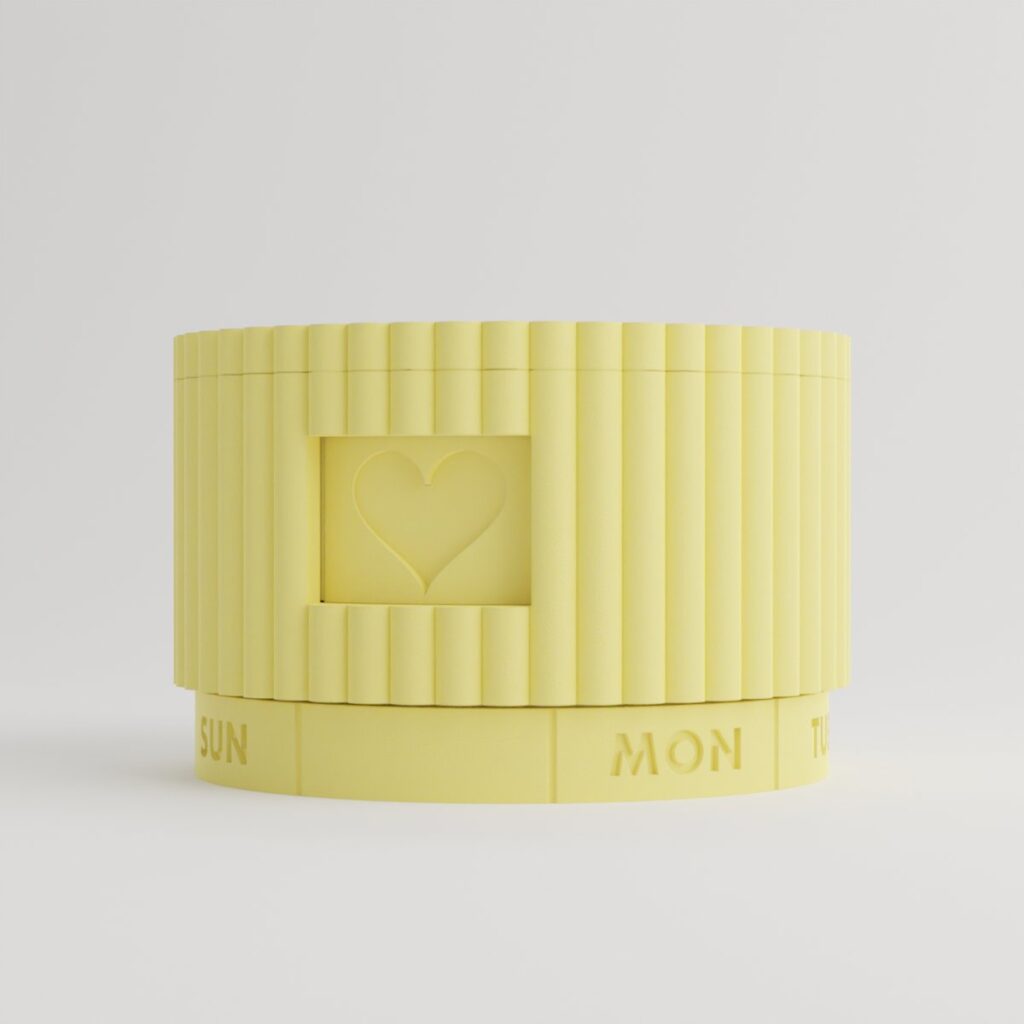
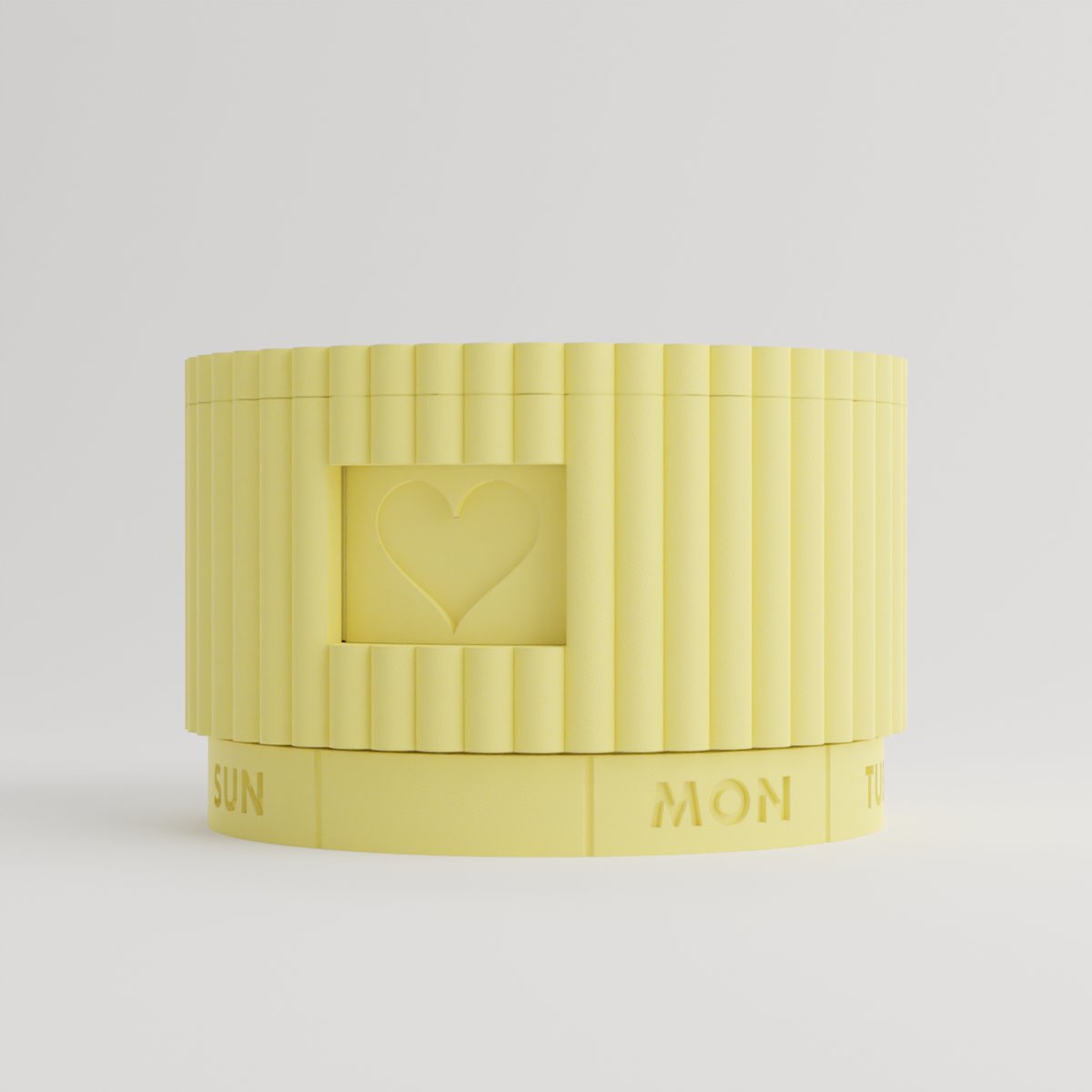
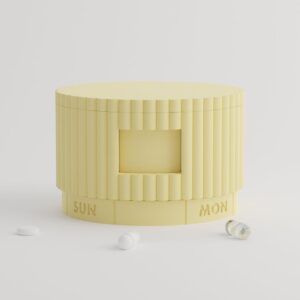
Jet lag is exactly when your memory is least reliable, so don’t rely on it. A pre-filled weekly case means each day is still just “open today,” no matter how scrambled the clock feels — and the empty compartment tells you you’ve taken it even when you’ve genuinely lost track of what day it is. Keep the case in your carry-on and out on the hotel nightstand, not buried in a bag. For the packing side, see how to pack medication for travel.
The short version
Short trip: stay on home time. Long stay: re-anchor to local meals and sleep. Always: pre-fill a weekly case, keep it visible, and clear time-critical medication with a pharmacist before you fly. Build a case that travels well and let it do the remembering while your body catches up.
Frequently asked questions
Should I take my medication on home time or local time when travelling?
For a short trip, staying on home time is simplest and avoids drift. For a longer stay, re-anchor to local meals and bedtime. For time-critical medication (contraceptives, insulin, heart or seizure meds), get a specific plan from your pharmacist or doctor before you travel.
How do I not forget pills with jet lag?
Pre-fill a weekly case before you leave so each day is just “open today,” and keep it visible on the nightstand. Jet lag makes memory unreliable, so lean on the filled case and an empty-compartment check rather than recalling times.
Is it bad to take a daily pill a few hours off when crossing time zones?
For routine daily vitamins and medications, a few hours’ drift is usually harmless — but this isn’t true for time-critical drugs. When in doubt, or for anything where timing matters, ask a pharmacist rather than guessing.

Comments are closed