
Habits · Guide
Helping a parent take their medication — without hovering
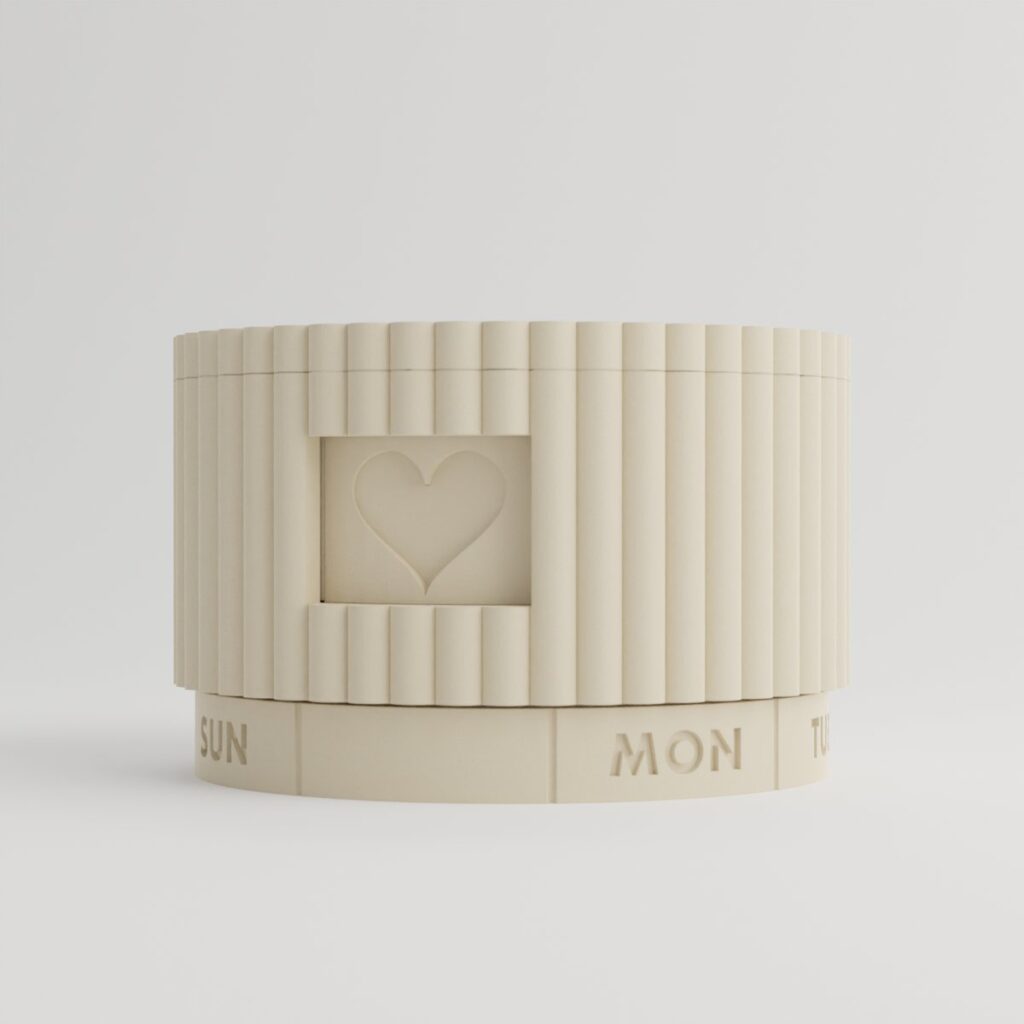
There’s a specific kind of worry that comes with watching an aging parent manage their own medication. You fill the organizer on Sunday, it’s perfect, and by Wednesday you can tell from the compartments that it’s quietly fallen apart. You want to help without taking over — without making a capable adult feel supervised. That line is real, and it’s possible to stay on the right side of it.
Make it visible and theirs
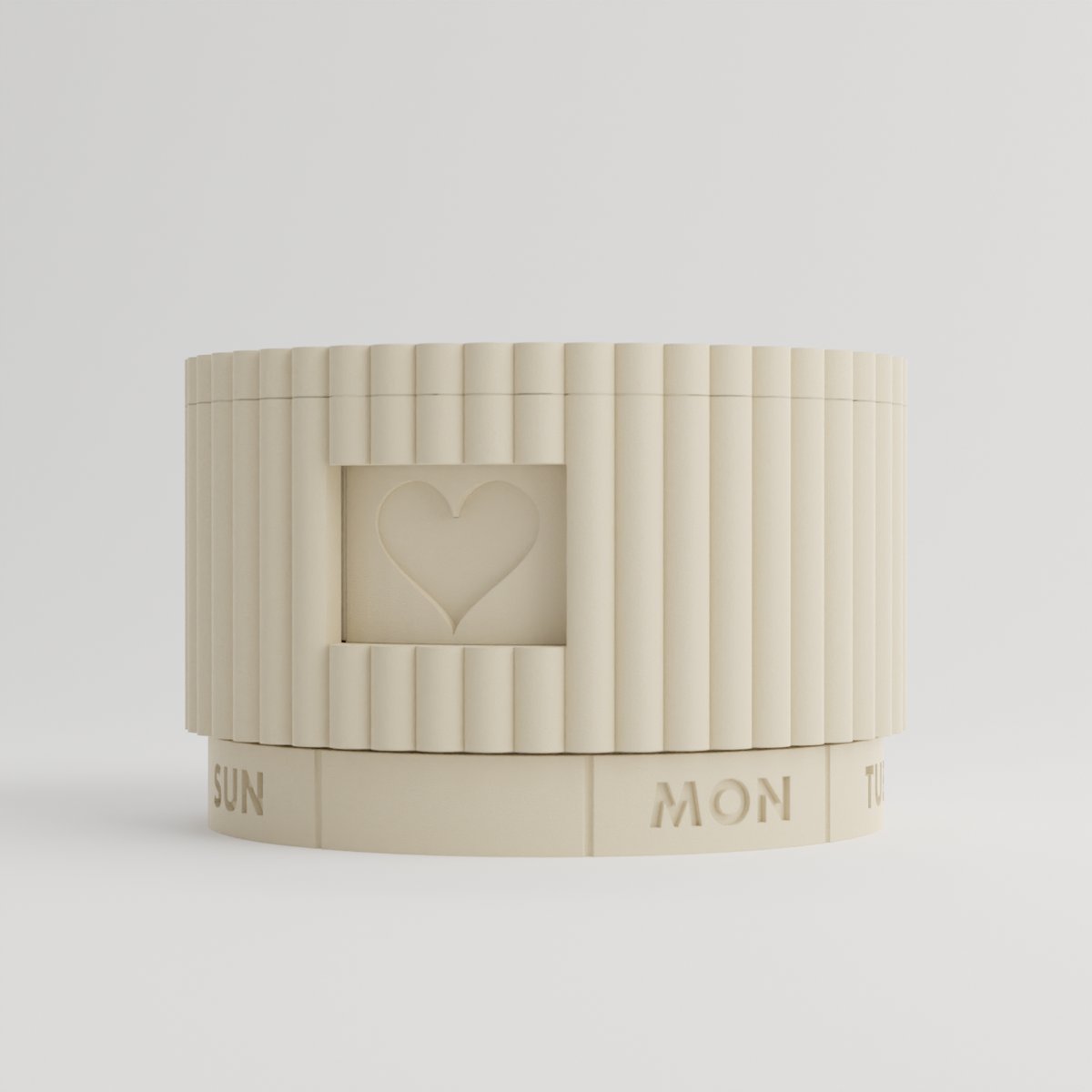
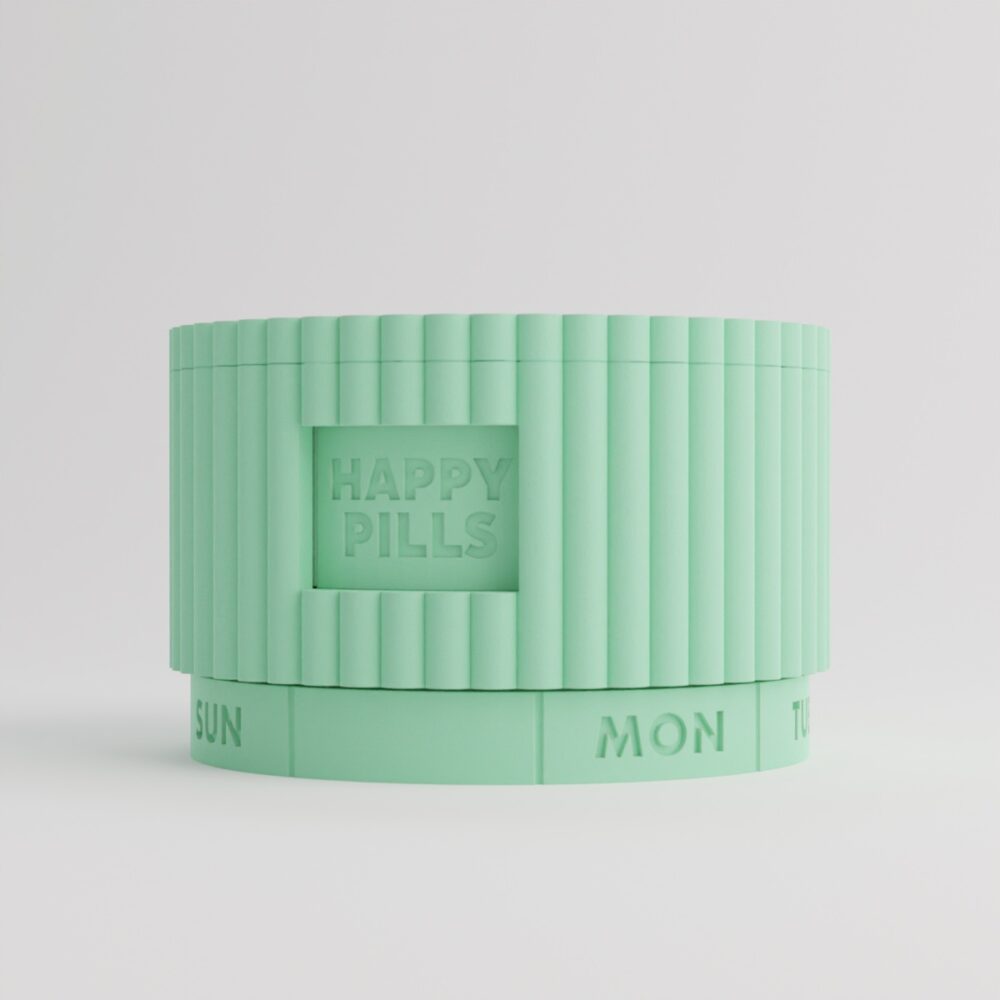
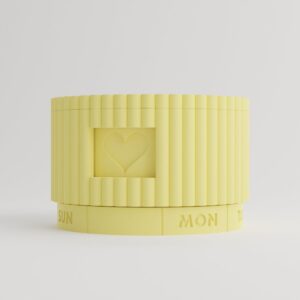
The first, cheapest fix is placement. A clinical box gets shoved in a drawer and forgotten; a nicer one stays on the counter and stays used. Put the organizer where their day already happens — by the kettle, next to the morning coffee — and make it legible: a clear, calm color and, if you like, their name engraved so it’s unmistakably theirs, not a medical appliance that arrived in their kitchen. Visible becomes taken; recognizable becomes used. (The fuller case for that is here.)
Anchor it, and fill it together
Tie the dose to something they already do without fail — the morning radio, the first cup of tea. And where you can, fill the week together on a Sunday. Done side by side it reads as time spent, not supervision imposed — which protects the thing that actually matters, their sense of running their own life. A weekly layout also makes a missed day obvious to both of you at a glance, so you’re reading a tray instead of interrogating.
The honest line: organizing vs. remembering
This matters, so plainly: a beautiful organizer helps someone who can manage their medication keep it tidy, visible and on track. It is not a solution for genuine memory decline. If your parent is forgetting whole days, taking doubles, or can’t reliably tell whether they’ve taken something, an organizer isn’t the answer — that’s the point to speak to their GP or pharmacist about an alarmed or locked dispenser, blister-pack dispensing from the pharmacy, or a daily check-in. Giving the right help means being honest about which problem you’re actually solving. (See also remembering to take medication.)
When a case is the right help
If the issue is motivation, clutter, or a box they simply don’t like using — a case they’d be happy to have on the counter genuinely moves the needle. Choose a legible color and engrave their name clearly; it’s a small, warm way to say “I’m thinking of you” that respects their independence rather than signalling decline. For gifting it directly, see our guide for grandparents.
Frequently asked questions
How can I help a parent take their medication without hovering?
Keep the organizer visible and legible where their day already happens, anchor the dose to an existing habit, and fill the week together so it feels like time spent rather than supervision. A weekly layout makes a missed day obvious without you having to ask.
Will a pill organizer help a parent with memory problems?
Only with organizing, not with genuine memory decline. If they forget whole days or can’t tell whether they’ve taken a dose, speak to their GP or pharmacist about an alarmed/locked dispenser, pharmacy blister-packing, or a daily check-in — an organizer alone isn’t enough.
What kind of organizer is best for an older parent?
A legible, calm color, clear day markings, an easy but secure lid for less dexterous hands, and a design dignified enough to leave out — ideally engraved with their name so it’s recognizably theirs.

Comments are closed