
Habits · Guide
Just started a daily medication? How to build a routine that sticks
A new prescription usually comes with a quiet second task nobody mentions: building the habit of actually taking it, every day, without thinking about it. The pharmacist hands you the box; the routine is on you. The good news is that “remembering” is less about willpower and more about design — a few small choices make a daily medication stick, and most of them cost nothing.
A note first: this is about building the habit, not medical advice. For anything about the medication itself — timing with food, interactions, splitting doses — follow your doctor or pharmacist.
Anchor the dose to something you already do
Willpower is a bad alarm clock. Habits that last are tied to an existing cue — “with my morning coffee,” “right after I brush my teeth at night.” Pick a thing you already do without fail and attach the pill to it. The cue does the remembering so you don’t have to. Map doses to moments (breakfast, post-workout, bedtime) rather than clock times; moments survive a schedule that changes, a fixed 8:00 alarm doesn’t.
Make it visible
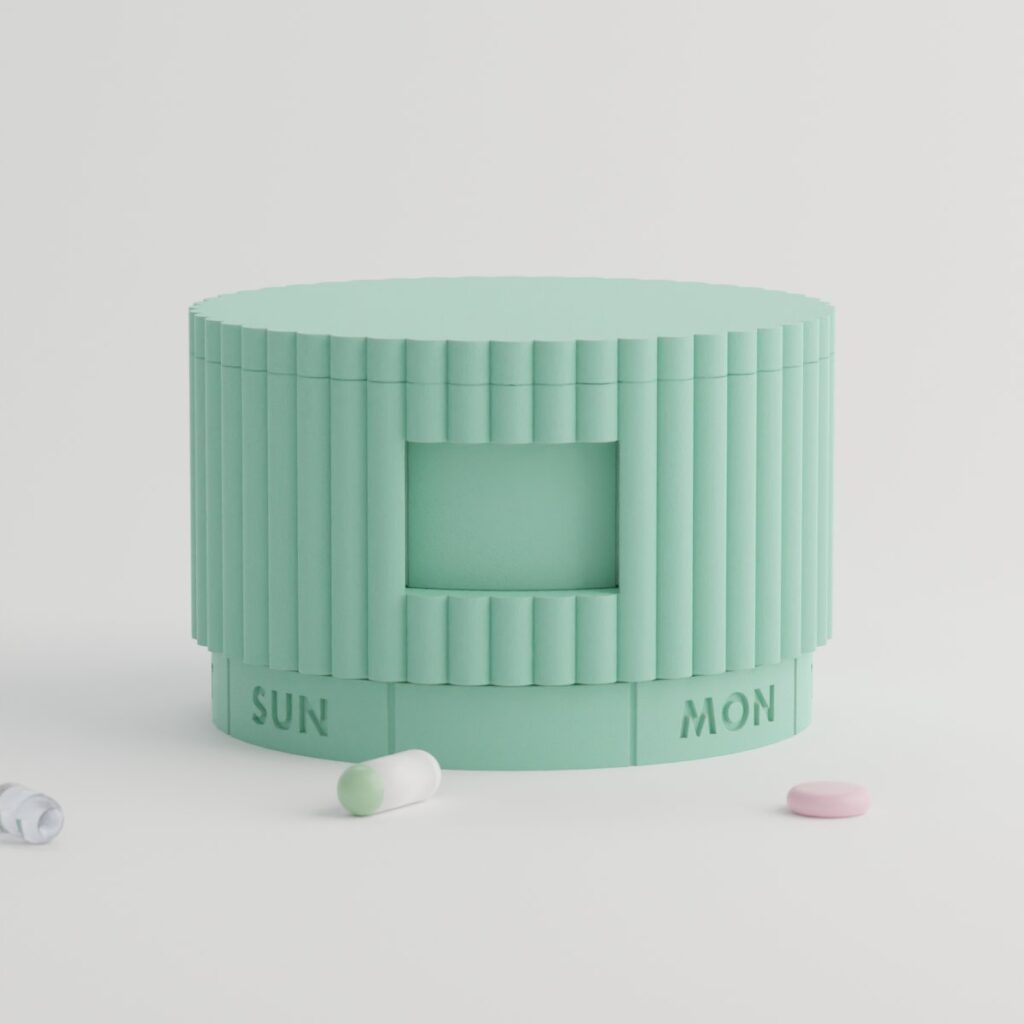
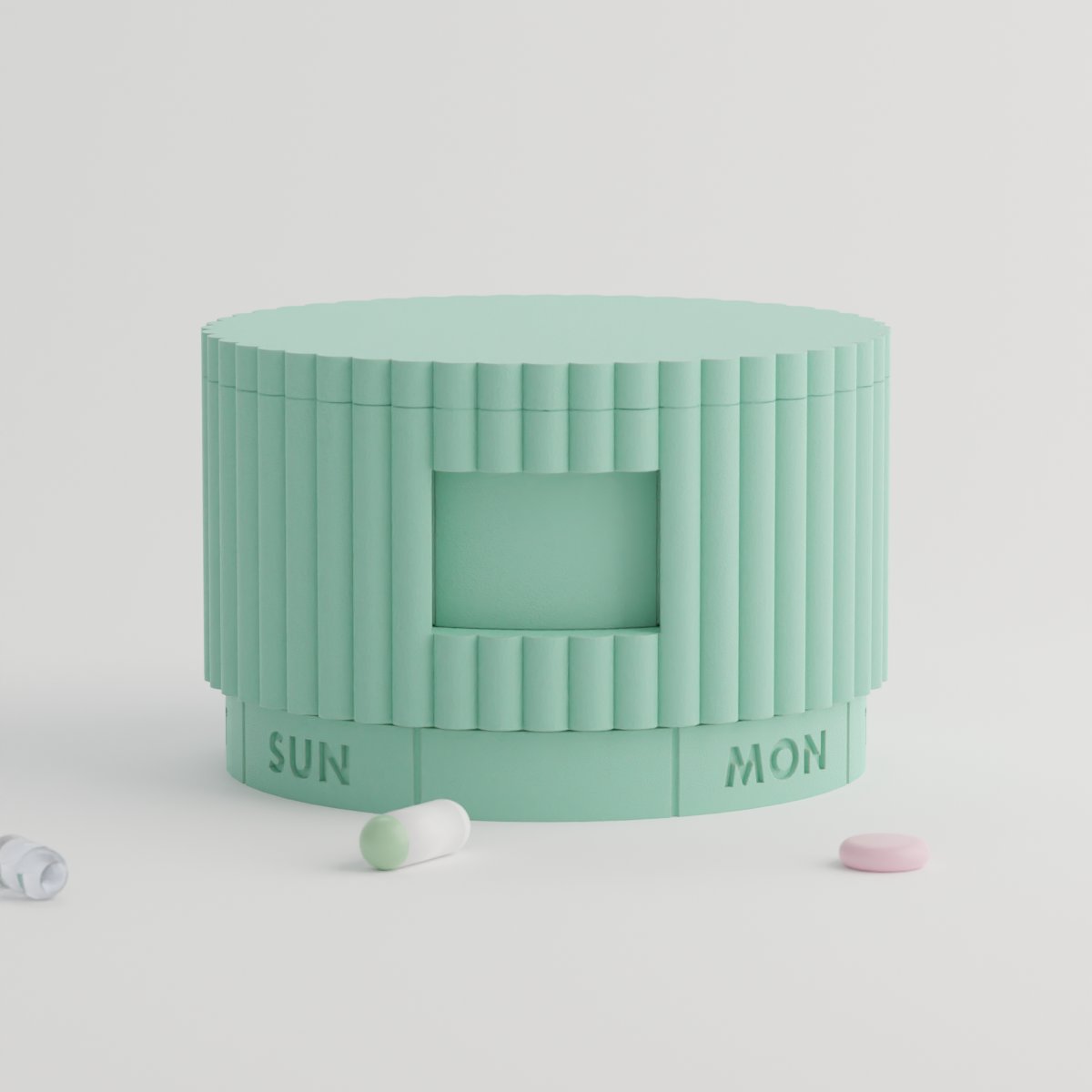
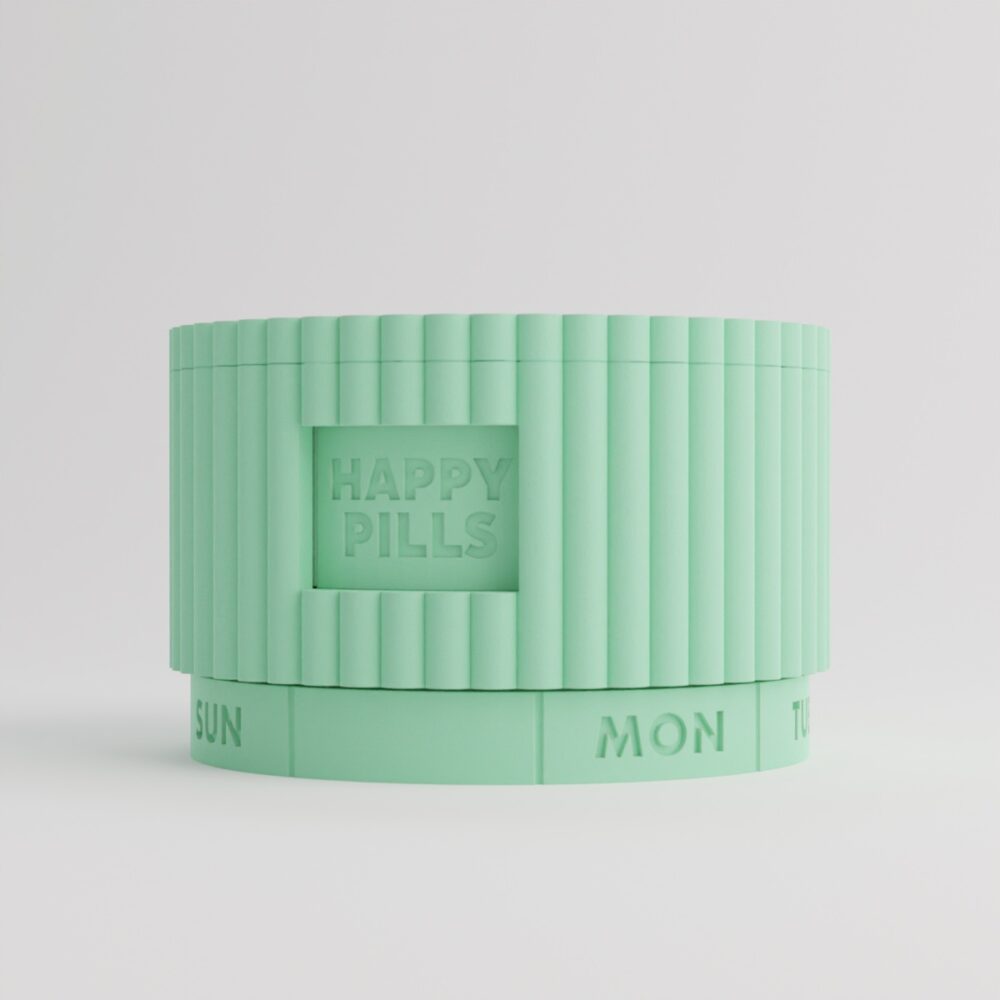
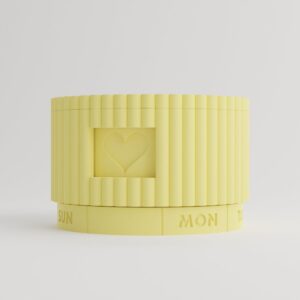
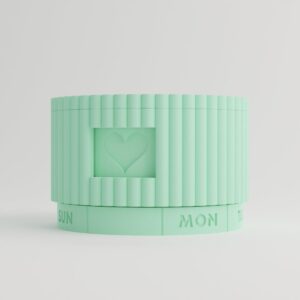
Out of sight really is out of mind — especially in the first weeks before the habit sets. A box shoved in a drawer is a dose you’ll miss. Keep your organizer where your eyes already go: the kitchen counter, the nightstand, next to the kettle. This is the real reason a case you don’t mind looking at matters — if it’s pleasant to have out, it stays out, and visible becomes taken. An empty compartment then becomes quiet proof you’ve already done it. (More on why that works: pill organizers that don’t look medical.)
Fill it once a week
Sunday-night fill, five minutes, and every day after is just “open today.” A 7-day organizer turns a daily decision into a weekly one, and the gaps make a missed dose obvious at a glance. If you take things both morning and night, an AM/PM layout gives each dose its own home so you never second-guess whether you’ve taken the evening one. (Not sure which layout? We compare them in how to organize your supplements.)
Forgive the misses
You will miss one. The habit survives a slip; it rarely survives giving up because of a slip. Note it, carry on, and let the visible case and the anchor do their work. In a few weeks, taking it stops being a thing you remember and starts being a thing you just do.
If a case you’ll actually keep on the counter would help, build one in a color you like — you can even leave it blank. See also how to remember to take medication.
Frequently asked questions
What’s the easiest way to remember a new daily medication?
Anchor it to a habit you already have (morning coffee, brushing your teeth) and keep the organizer somewhere you’ll see it. Tie doses to moments rather than clock times, and fill a weekly case on Sunday so each day is just “open today.”
Does keeping pills visible really help?
For most people, yes — especially early on. Out of sight is out of mind, so a case you like enough to leave on the counter gets used, while one hidden in a drawer gets forgotten.
7-day or AM/PM — which should I use?
A 7-day case suits something taken once daily. If you take things morning and night, choose AM/PM so each dose has its own compartment and you never wonder whether you’ve taken the evening one.
Comments are closed